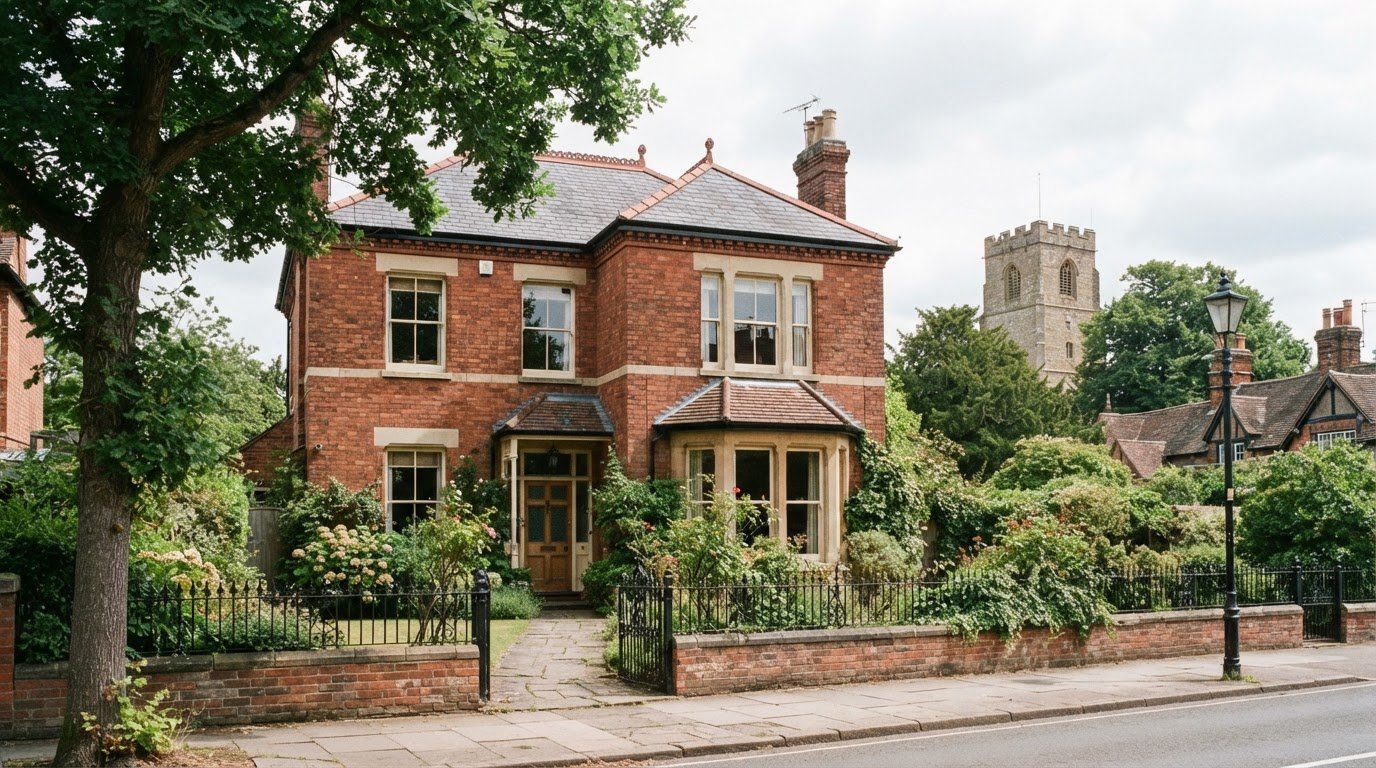
London isn’t the only place to look for millionaire homes. In the capital, high-end addresses include Mayfair, Belgravia, Kensington and Chelsea; beyond London, historic gated mansions with 10-30 bedrooms are found in the Oxford and Cambridge area. The right location depends on what matters most to you: city access, privacy, space or a distinctive property with history.
It’s easy to assume millionaire homes mean one thing: a grand house in a famous postcode. In reality, the appeal might be a central London home, a country mansion or a property in Stratford-upon-Avon, each offering a different lifestyle.
This guide explores where high-end homes are found in London, what to consider when buying luxury houses and mansions across the UK, and the practical choices involved. You’ll get a clearer view of the market and a grounded starting point for deciding where to focus your search.
Key Takeaways
- Compare London neighbourhoods by the lifestyle they offer, not just their reputation.
- Look beyond headline grandeur to understand what makes a UK mansion or luxury home suit your needs.
- Work out how income, deposit and mortgage affordability fit together before focusing your search.
High-end London neighbourhoods
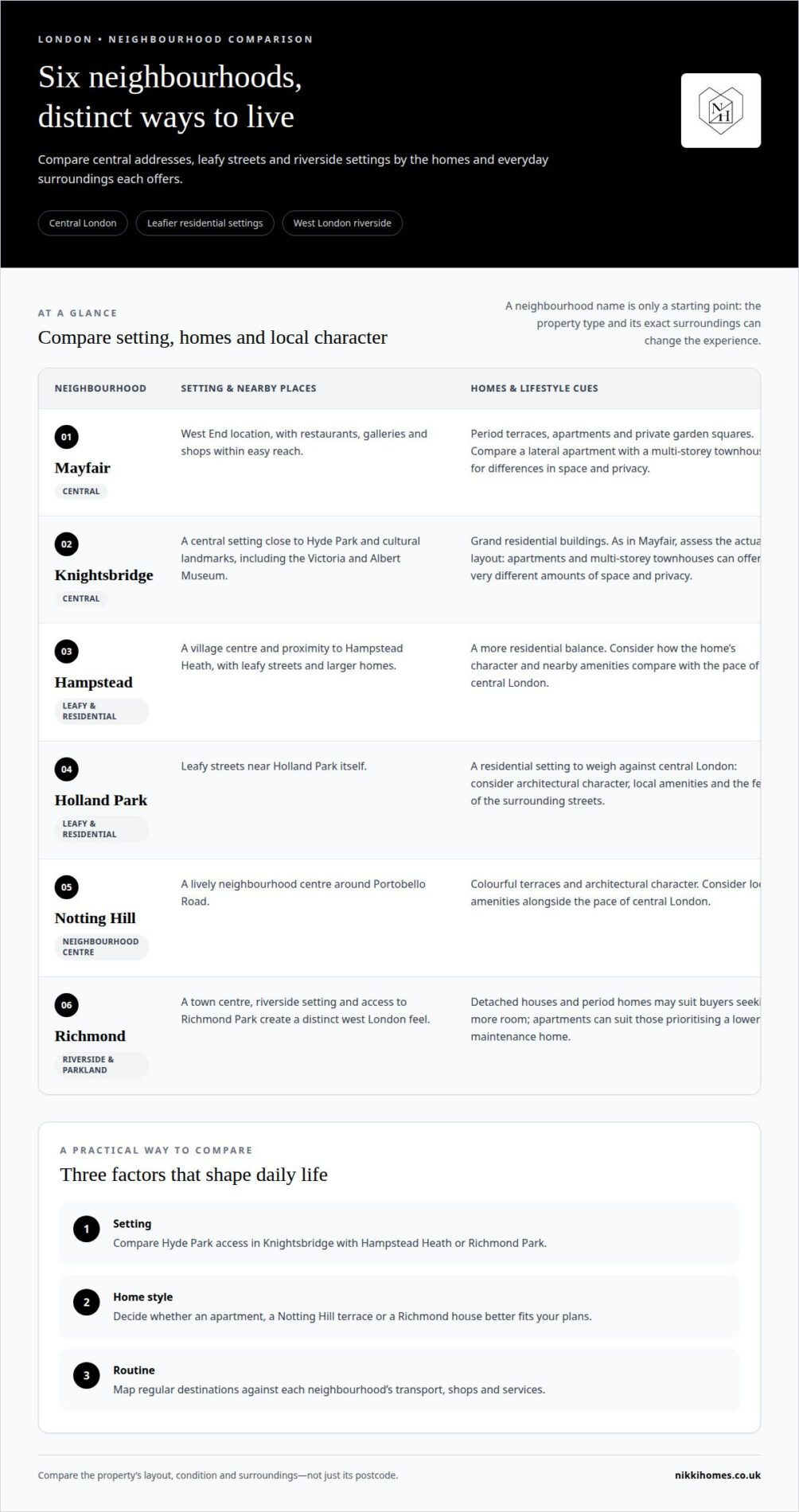
London’s luxury market isn’t one uniform stretch of grand houses. Mayfair and Knightsbridge offer central addresses, while Hampstead and Richmond bring a different balance of leafy streets and larger homes. The right fit depends on how you want to live, not simply on a postcode’s reputation.
In Mayfair, period terraces sit alongside apartments and private garden squares. Its West End location suits buyers who want restaurants, galleries and shops within easy reach. Knightsbridge has a similarly central feel, with grand residential buildings close to Hyde Park and cultural landmarks such as the Victoria and Albert Museum. In both areas, the property itself matters: a lateral apartment and a multi-storey townhouse offer very different amounts of space and privacy.
For a more residential setting, consider Hampstead and Holland Park. Hampstead is known for its village centre and proximity to Hampstead Heath, while Holland Park places leafy streets near the park of the same name. Notting Hill adds colourful terraces and a lively neighbourhood centre around Portobello Road. These areas suit buyers weighing architectural character and local amenities against the pace of central London.
Richmond offers another contrast. Its town centre, riverside setting and access to Richmond Park create a distinct west London feel. Detached houses and period homes may appeal to buyers seeking more room, while apartments can suit those prioritising a lower-maintenance home. The street and property type can change the experience markedly, even within the same area.
Start by ranking the factors that will shape daily life:
- Setting: compare Hyde Park access in Knightsbridge with the open space of Hampstead Heath or Richmond Park.
- Home style: decide whether a Mayfair apartment, a Notting Hill terrace or a Richmond house fits your plans.
- Routine: map your regular destinations against each neighbourhood’s transport, shops and services.
For millionaire homes in London, location is only part of the decision. Compare each property’s layout, condition and surroundings before settling on an area.
Luxury homes and mansions in the UK
Across the UK, high-end homes range from substantial townhouses to historic country mansions.
Property types and prices
Historical gated mansions with 10-30 bedrooms are available in the Oxford and Cambridge area. UK luxury property prices vary with location, size, condition, land and architectural character, so the same budget can buy very different properties.
Compare the asking price with the home’s usable space and upkeep needs. A large estate may offer more land and rooms, but it can also require more maintenance than a well-finished townhouse.
Finding and comparing homes
Then compare listings using consistent criteria: location, floor plan, condition, outdoor space and distinctive features, such as a historic setting or gated grounds.
For example, compare a country mansion in Oxfordshire with a townhouse in Cambridge, then assess how each matches your priorities. Property sourcing can help narrow the search around your requirements, while auctions offer another route to consider.
Ongoing ownership costs
Beyond the purchase, ongoing costs can include repairs, heating, insurance, security and grounds maintenance. A large garden, older building or extensive interior may bring different demands from a modern apartment in central London.
Before deciding, consider the property’s age, size and condition, as well as the regular work its grounds and systems require. These factors shape the practical cost of ownership, even when two homes have similar asking prices.
A property’s condition, location and appeal to future buyers can all affect its value. In a historic home, maintenance needs and distinctive features can influence how buyers assess it; for a city property, the surrounding area also matters.
In Stratford-upon-Avon, a detached family house, a period home and a substantial rural property can each appeal for different reasons. The same budget can mean a very different combination of space, character and location.
Detached houses may suit buyers who prioritise private outdoor space and a flexible layout. Period properties can offer distinctive architectural details, but their condition and maintenance needs deserve close attention. A large country house may provide more rooms or land, while a central apartment may put convenience ahead of both. These are useful comparisons, not guarantees about what a particular budget will buy.
Location changes the equation. A home in a sought-after part of Stratford-upon-Avon may appeal for its town setting, while a nearby rural property may offer a different balance of privacy and access. In London, buyers may compare spacious apartments with houses, depending on their preferred setting and daily routine. Assess each property’s actual layout and surroundings rather than relying on its label.
For a focused search, compare homes against a short list of practical criteria:
- Space: assess room sizes, storage and whether the layout supports your household.
- Condition: note visible repair needs and the standard of fixtures and finishes.
- Setting: consider the street, nearby facilities and access to places you use regularly.
- Distinctive features: decide whether period details, a garden or a rural outlook matter to you.
The strongest match may be a well-located house with the right layout, rather than a larger property that brings unwanted upkeep. Compare the trade-offs carefully, then keep your shortlist focused on the features that will shape everyday life.
Your deposit determines how much you need to borrow, while a lender assesses whether the repayments fit your financial circumstances. The same property price can therefore mean different borrowing needs for different buyers.
Start with the deposit. Subtract it from the purchase price to estimate the mortgage amount you may need. Keep separate funds for other purchase costs, such as legal work, a survey and moving expenses. Don’t treat every pound of savings as available for the deposit.
Income matters, but salary alone doesn’t settle affordability. Mortgage providers assess earnings alongside regular commitments, existing debts and household outgoings. They’ll also consider the mortgage term and proposed repayments. If you’re buying with another person, the application may include both applicants’ finances, giving the lender a broader view of income and commitments.
Build a realistic picture before choosing a property. Set out the deposit you can use, your regular spending and the borrowing you need. Then discuss these details with a qualified mortgage adviser, who can explain how different borrowing levels affect repayments and affordability. A pre-purchase conversation can help focus your search, but it isn’t the same as a mortgage offer.
- Deposit: decide how much you can commit while retaining funds for purchase costs.
- Income: consider household earnings alongside debts and regular spending.
- Borrowing: compare the required mortgage with repayments that fit your finances.
For guidance on financing a high-value purchase, discuss mortgage and financial advice as you plan your next step.
Nikki Homes
Nikki Homes can help turn your property priorities into a focused next step. If you’re looking to buy, its property sourcing service can shape a search around your preferred location, home type and requirements within the Stratford-upon-Avon area. Residential property sales and auctions offer routes to consider when a suitable property comes to market.
Whether you’re defining your ideal lifestyle in Warwickshire or comparing local options, clarity about your priorities matters. Share the kind of property and setting that suit your plans, and Nikki Homes can discuss how its services fit your next move.
For a straightforward conversation about your property plans, contact Nikki Homes.
Make your next move with confidence
The search for millionaire homes becomes more focused when you know what you’re unwilling to compromise on. Before taking another step, write down the setting, style and practical features that matter most to your household. Separate essentials from attractive extras. That distinction can keep a striking property from pulling you away from the life you actually want.
Then consider what your next move needs to achieve. You might be buying a home to settle into, exploring a different location or weighing up a property opportunity. A clear brief makes those priorities easier to discuss and gives your search a sharper direction.
Nikki Homes can help you consider the right route for your property plans, without rushing a major decision. Bring your priorities and questions to a straightforward conversation, and take the next step when you’re ready.
Contact Nikki Homes to talk through your plans and take the next step on your terms.
Frequently Asked Questions
There isn’t one permanent count: the total depends on the valuation date and whether homes are counted using asking prices or completed sale values. A property can also move above or below the threshold as its market value changes. For a meaningful comparison, use one consistent measure and date, and distinguish England, Scotland, Wales and Northern Ireland if you need a regional breakdown.
What is the average price of a millionaire home in London and other UK regions?
The result also changes depending on whether the calculation uses asking prices or completed sales, and which properties enter the sample. For a useful regional comparison, apply the same definition and time period to each area, then compare like with like rather than treating the UK as one market.
How have UK millionaire home prices changed over the past decade?
The change over the past decade varies by location and property type, so a national figure alone can hide important differences. A sound comparison uses the same measure at both ends of the period, such as completed sale prices, and accounts for changes in the mix of homes sold. Consider London, Stratford-upon-Avon and rural areas separately to understand their distinct market movements.